Aug 12, 2026
'Works on My Machine' Isn't Enough
Nobody thanks you for the outage that never happened. That invisibility is exactly why reliability work gets underfunded. It only becomes visible the one time it's missing.
Software Engineering
DevOps
Reliability
Local vs. Production Are Different Problems
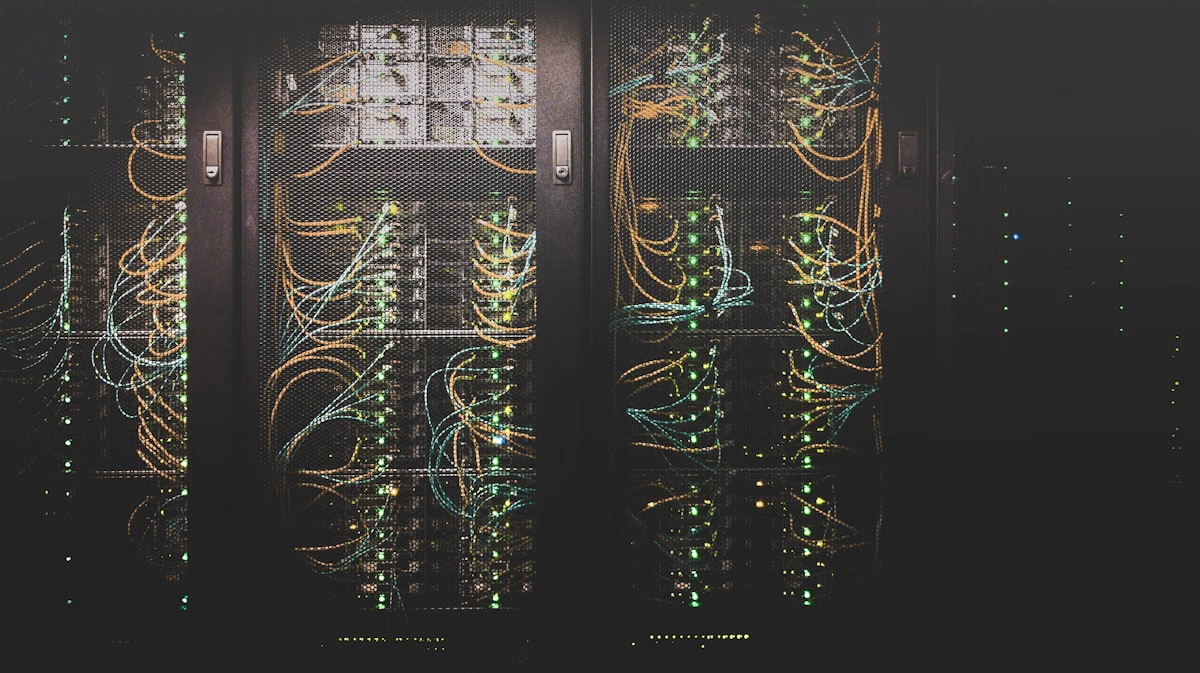
There's a strange irony in reliability work: when it's done well, it looks like nothing happened at all. No 3 a.m. alerts, no frantic Slack threads, no apology email to users, no calm-but-terrifying call from a client asking why their platform is down during their biggest launch of the year. That invisibility makes it one of the easiest line items to cut when deadlines tighten — right up until the day it isn't invisible anymore, and an entire team is scrambling to explain what happened and why it wasn't caught sooner. The teams that get this right treat monitoring, rollback plans, and staging environments as part of the actual deliverable, not a nice-to-have bolted on after launch. It's a harder sell upfront, because you're asking for time and budget to prevent a problem nobody can see yet — abstract, hypothetical, easy to deprioritize next to a feature a client can actually click on. But the math only ever looks bad until the first real outage, and after that it never looks bad again.

'Random' Bugs Rarely Are

Reliability Is Invisible Until It's Not

Latest Updates
(JD® — 02)
©2026





Aug 12, 2026
'Works on My Machine' Isn't Enough
Nobody thanks you for the outage that never happened. That invisibility is exactly why reliability work gets underfunded. It only becomes visible the one time it's missing.
Software Engineering
DevOps
Reliability
Local vs. Production Are Different Problems
There's a strange irony in reliability work: when it's done well, it looks like nothing happened at all. No 3 a.m. alerts, no frantic Slack threads, no apology email to users, no calm-but-terrifying call from a client asking why their platform is down during their biggest launch of the year. That invisibility makes it one of the easiest line items to cut when deadlines tighten — right up until the day it isn't invisible anymore, and an entire team is scrambling to explain what happened and why it wasn't caught sooner. The teams that get this right treat monitoring, rollback plans, and staging environments as part of the actual deliverable, not a nice-to-have bolted on after launch. It's a harder sell upfront, because you're asking for time and budget to prevent a problem nobody can see yet — abstract, hypothetical, easy to deprioritize next to a feature a client can actually click on. But the math only ever looks bad until the first real outage, and after that it never looks bad again.
'Random' Bugs Rarely Are
Reliability Is Invisible Until It's Not
Latest Updates
(JD® — 02)
©2026
Aug 12, 2026
'Works on My Machine' Isn't Enough
Nobody thanks you for the outage that never happened. That invisibility is exactly why reliability work gets underfunded. It only becomes visible the one time it's missing.
Software Engineering
DevOps
Reliability
Local vs. Production Are Different Problems
There's a strange irony in reliability work: when it's done well, it looks like nothing happened at all. No 3 a.m. alerts, no frantic Slack threads, no apology email to users, no calm-but-terrifying call from a client asking why their platform is down during their biggest launch of the year. That invisibility makes it one of the easiest line items to cut when deadlines tighten — right up until the day it isn't invisible anymore, and an entire team is scrambling to explain what happened and why it wasn't caught sooner. The teams that get this right treat monitoring, rollback plans, and staging environments as part of the actual deliverable, not a nice-to-have bolted on after launch. It's a harder sell upfront, because you're asking for time and budget to prevent a problem nobody can see yet — abstract, hypothetical, easy to deprioritize next to a feature a client can actually click on. But the math only ever looks bad until the first real outage, and after that it never looks bad again.
'Random' Bugs Rarely Are
Reliability Is Invisible Until It's Not